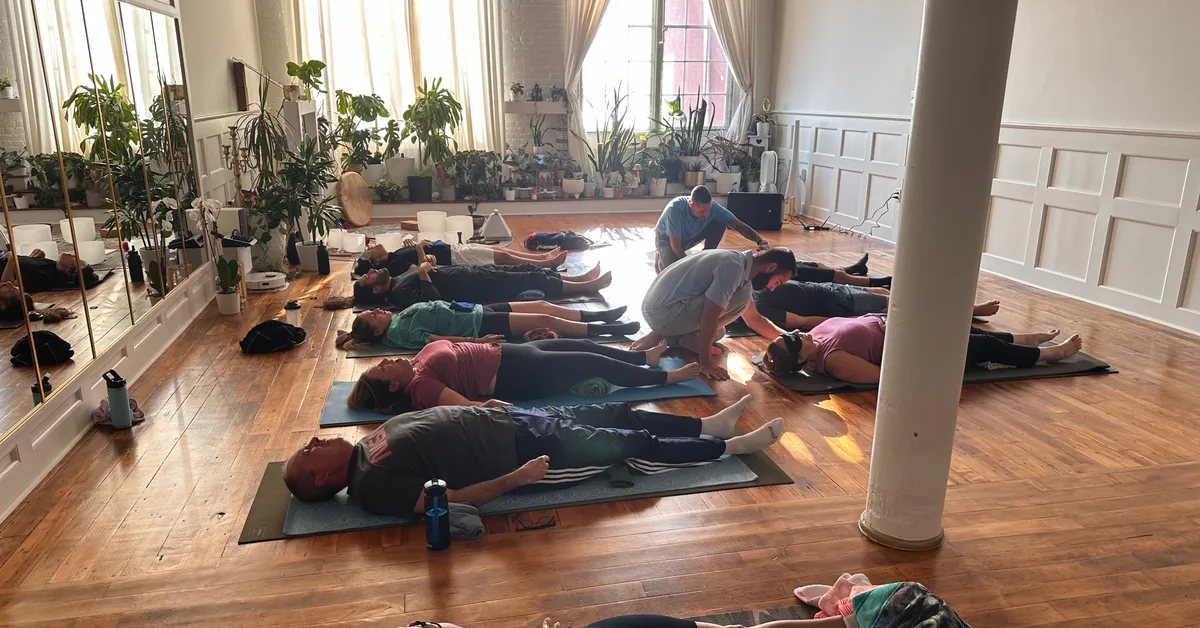
What Happens in Your First Guided Breathwork Session? A Beginner's Guide.
Trying something new can bring up questions before you even arrive.
What will happen? Will you know what to do? Will everyone else have more experience? What if you feel awkward or aren't sure whether you're doing it correctly?
If you've been curious about breathwork but haven't attended a guided session, those questions are understandable.
You don't need to become an expert before exploring a new practice. Understanding what a session may involve can help you decide whether the experience feels right for you.
Here's what to consider before your first guided breathwork session.
What Is a Guided Breathwork Session?

Breathwork refers to practices that intentionally focus on breathing or use particular breathing patterns.
A guided session introduces participants to a practice with the help of a facilitator. Depending on the format, it may include an introduction, breathing guidance, time to participate, and an opportunity to ask questions.
Not every breathwork session is the same.
Some focus on gentle, comfortable breathing. Others use more structured techniques and may have different requirements or considerations.
Before booking, ask the facilitator what the session involves, how long it lasts, and whether there is anything you should know about participating.
Having clear information helps you make an informed decision rather than relying on assumptions about what breathwork is supposed to feel like.
Do You Need Previous Experience?
For an introductory session, previous breathwork experience may not be necessary. However, the requirements depend on the particular practice and facilitator.
If you're new to breathwork, let the facilitator know.
Ask whether the session is suitable for beginners and what kind of guidance will be provided. You can also ask about the breathing techniques involved and whether you can modify or stop a practice if you become uncomfortable.
You don't need to pretend to know more than you do.
A good starting point is understanding the instructions, knowing what to expect, and feeling able to ask questions.
What Might Happen During the Session?
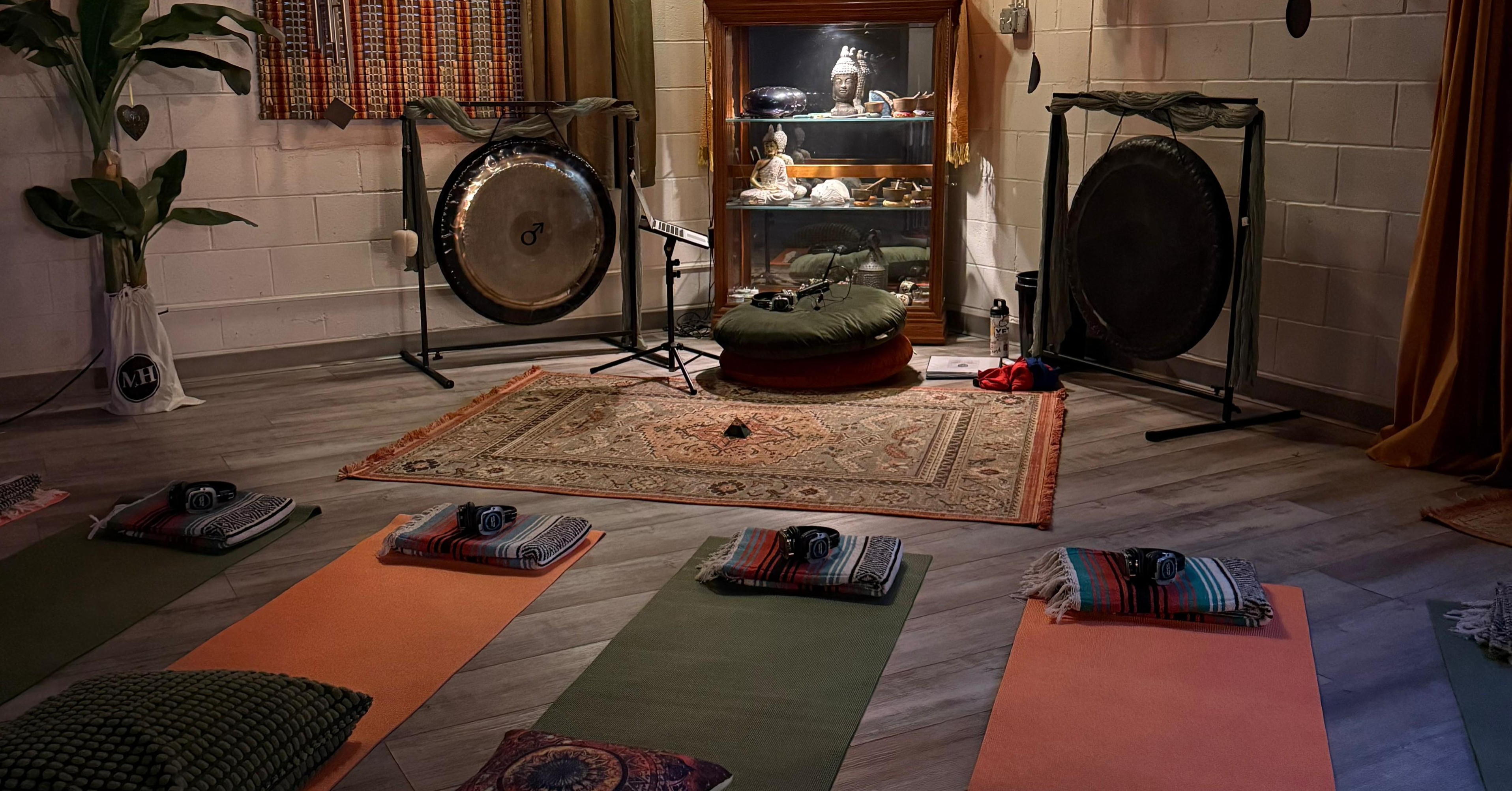
The exact format will depend on the facilitator and the type of breathwork being offered. A guided session may include several elements.
1. An introduction
The facilitator may explain the purpose of the session, describe the practice, and outline what participants can expect.
This is an opportunity to clarify instructions and raise any questions you have before beginning.
2. Guidance through the practice
The facilitator may guide participants through a particular breathing pattern or invite them to pay attention to their natural breathing.
Follow the instructions that have been provided and stay within your comfort level.
You don't need to compare your experience with anyone else's. People can respond differently to the same practice.
3. Time to notice your experience
Depending on the session, there may be time to sit quietly, notice how you feel, or reflect on the experience.
You aren't required to have a dramatic realization or a particular emotional response.
An experience doesn't need to be intense to be meaningful, and there is no single correct reaction.
4. An opportunity to ask questions
A guided experience should leave room for reasonable questions about the practice and what happens next.
If something is unclear, ask. If a breathing technique feels uncomfortable, stop the technique and let the facilitator know when appropriate.
The goal is not to push through discomfort to prove that you can do it.
What Should You Do Before Your First Session?
Preparation will depend on the session's format, so follow the facilitator's specific instructions.
In general, consider these practical steps:
Read the event information. Confirm the location or online access details, start time, duration, and any instructions for participants.
Ask questions beforehand. If you're unsure what type of breathing practice will be used, ask the facilitator to explain it.
Wear something comfortable. Choose clothing appropriate for the setting and any movement or positioning the facilitator has described.
Avoid setting expectations about the outcome. You don't have to arrive expecting to feel completely relaxed, release a particular emotion, or experience a major change.
Give yourself permission to participate at your own pace. Find out what options are available if you need to pause or stop.
If you have health concerns that could affect your participation, discuss them with an appropriate healthcare professional and ask the facilitator about the suitability of the specific practice. More intense breathing techniques may have additional considerations, so don't assume every form of breathwork is suitable for everyone.
What If You Feel Awkward or Don't Notice Anything Different?
You may be wondering whether you'll know if the practice is working.
The truth is that people can have different experiences.
You might find it easy to focus on your breathing. You might notice that your attention wanders. You might feel comfortable, uncertain, or simply curious about what you're learning.
You don't need to measure the experience against someone else's reaction.
Breathwork isn't a competition, and it isn't another performance test.
If you don't notice a dramatic difference, that doesn't mean you have failed. The experience can simply be an opportunity to learn about a practice and decide whether you want to explore it further.
Is Breathwork the Right Fit for You?
The answer depends on the practice, your circumstances, and what you're looking for.
Some people are interested in learning a practical way to bring attention to their breathing. Others want to explore a guided group experience or make time for a deliberate pause in a busy schedule.
It's important to understand what a particular session offers rather than assuming all breathwork has the same purpose or produces the same effects.
A guided session should be described honestly. It should not be presented as a guaranteed solution for burnout, anxiety, trauma, or other health concerns.
If you need support with a medical or mental health concern, breathwork should not replace appropriate professional care.
Your First Step Doesn't Have to Be Perfect
You don't have to know everything about breathwork before asking a question or exploring an introductory session.
Start by learning what the practice involves, understanding the instructions, and deciding whether the experience feels appropriate for you.
You can be curious without having all the answers.
At Commanding Wellness, we believe practical wellbeing should connect with real life. If you're interested in exploring a guided breathwork experience, reach out to learn more about the current sessions and what to expect.
Regulate. Restore. Command.
Check out our upcoming events: https://commandingwellness.com/live-events